Design Sprints is a well-known design methodology from Google. Many use cases share a great value out of it, especially for product design. The challenge, however, is that their sessions require a lot of time and human resources.
In this example, I propose a very condensed mini design sprint. My goal was to prove what design sprints can bring to the team by giving it a try. It was a lot quicker to get approval this way rather than asking for their full 3-5 days for workshops. The outcome was extremely promising.
How to Propose
1. Rationalize why we need it
There are particular times where design sprints can bring more value to the team. I saw the potential value because we were trying to create a new product while we were not on the same page. Research insights and ideas were floating around. Team members had different perspectives and agendas. I thought we needed a specific process to sharpen our vision. Once the vision is clarified, we can develop something tangible to test it with real people.
Tips: There are recommendations about when Design Sprints can bring the most value: here
2. Make a plan to hear Yes
The reality was I couldn’t get permission to use leadership’s full 3-5 days for a design sprint. It’s very possible for busy people to feel the time commitment is too high for something they haven’t tried. Then, the natural solution is to make the commitment lower. I modified the design sprint to take 4.5 hours (3 sessions x 1.5 hours).
My proposal included an agenda, timetable, and desired outcome so that our time is well spent. Then, I got recommendations about who should join the sessions from each department.
Tips: I didn’t make my proposal from scratch. I downloaded the sprint brief template and modified the content to meet my needs. There are great resources you can customize in order to save your time.
3. Motivate participants in advance
To successfully conduct tight sessions, I had to motivate participants prior in advance. I reached out to each participant to introduce Design Sprints for 15 min. I mentioned that they are selected to join this design sprint since they are awesome (whether it’s true or not). You will most likely see sparks in their eyes at this point. Also, this is the time to remind them of the homework: The lightning talk.
Tips: Getting the participants ready is the key to making the sessions move speedy. Never expect participants will do their homework because they got a calendar invitation.
Sessions with the entire team
Design sprint sessions consist of 6 steps. To condense the sessions, only the first 4 steps were done with participants. Then the Design team focused on prototype and validation steps. Here are my specific goals for each session.
Session 1: Understand & Define (1.5 hours)
- To listen to each others’ lightning talks
- To decide on the persona to identify their pain points
- To generate ideas to relieve the pain points
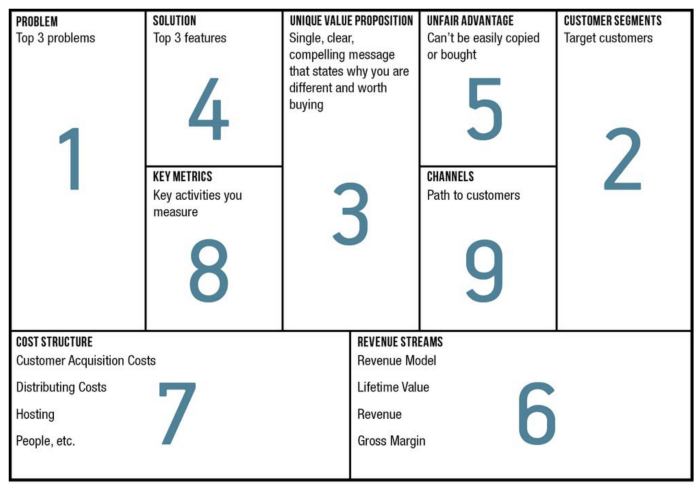
During lightning talks, we shared our inspirations and explained why they are inspiring. Then, we brought our findings to the table to identify the exact persona we’d like to focus on. After that, we organized the persona’s pain points through affinity mapping. Finally, we connected the pain points with reliever ideas through experience mapping. This process covers a major part of the lean canvas from customer to solution.
Session 2: Sketch (1.5 hours)
- To recap the conclusions from the previous session
- To try Crazy 8’s sketches and present ideas to each other
- To create one solution sketch per person and present
Our second session was all about visually expressing ideas to each other. I do recommend having this session first thing in the morning as it requires lots of energy. After a quick recap from the previous day, we moved on to Crazy 8’s right away. After reflecting on what we learned, each member had time to choose and refine one sketch. We presented the idea to each other.
Tips: Participants could sketch on paper then share photos for remote sprint sessions. Don’t expect participants will be ready to use a new drawing software that they’ve never seen.
Session 3: Decide (1.5 hours)
- To review/revise our solution sketches
- To map the persona’s pain points and solution sketches
- To summarize multiple solution sketches to one sketch
In the final session, I made a major twist for our process based on the presented ideas and the limited time. We focused on connecting related ideas to be a common theme instead of voting on each solution. Then, we revisited the persona’s pain points to assure our solution still fits the persona’s needs.
My finding was most participants’ ideas were related with a few exceptions this time. We decided to focus on the theme that could hold most participants’ ideas first to save time. Other ideas were recorded to revisit in the future.
After Team Sessions
Prototype & Validate
After the team sessions, the design team took care of the prototyping as well as user testing. We used Figma to create clickable prototypes, then conduct usability testing and interviews with 5+ users. After that, we had an opportunity to check technical feasibility and market sustainability.
Tips: Figma Mirror was useful to observe how testers interact with a prototype on the real device. For the remote testings, you can ask testers to share their screen with you. Either way, help them immerse into the situation by introducing the persona and his/her goals.
Documentation & Presentation
I compiled all deliverables (notes, sketches, prototypes, testing results) together. Then, the outcomes, key insights, and recommendations were presented to the leadership. In the end, that vision has become the basis for the new product design.
Tips: I documented the session materials, notes, sketches, prototypes as well as the idea bank throughout the process. This documentation has been my best resource to move forward.
Outcome
- Saved time
When we envision a new product, we could spend months researching and debating. While research is important, it doesn’t always give us a clear means to hear real people’s input soon enough. Through design sprints, we can speed up the process of learning from real people. - Shared vision
In reality, each stakeholder has their own picture for new product ideas. Rapid sketches and discussions can help team members get a shared vision. This means we will have less meetings for unfocused arguments. - Motivated team members
Design sprint sessions support open and flat discussions. Whether you are junior or senior, you have room to express your ideas and support the ones that make sense to you. This is more motivating for participants as they feel the sense of ownership for the product. - Idea bank
There will be so many ideas from the sessions. Even if not all ideas were incorporated into the prototype, it’s possible to make an idea bank that the team can revisit.

 Julie Lee's Projects